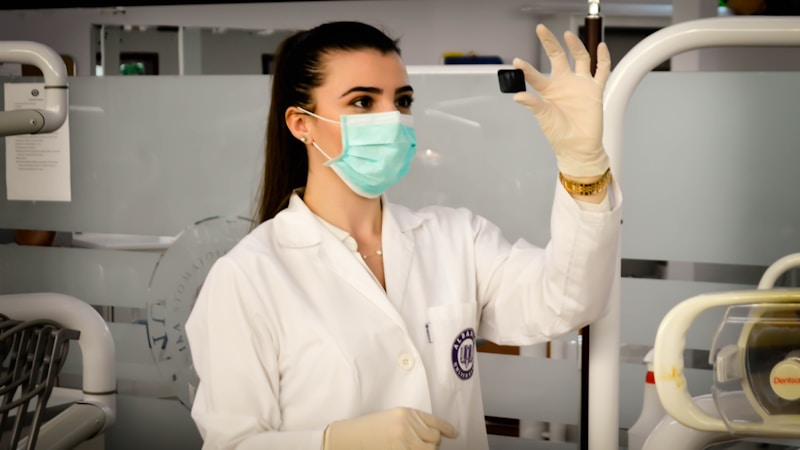
In a world where addiction affects individuals from all walks of life, women face unique challenges that necessitate tailored treatment approaches. In Los Angeles, gender-specific addiction treatment resources are designed to meet the distinct needs of women, offering compassionate support and understanding. These programs not only address addiction but also consider the broader context of women's lives, including trauma, motherhood, and co-occurring mental health issues.
Poukisa Tretman Espesifik pou Sèks Enpòtan
Gender-specific treatment is crucial because women often experience addiction differently than men. Factors such as societal expectations, trauma, and the role of caregiving can influence the nature of their addiction and recovery process. Programs tailored for women create a safe environment where they can openly discuss their experiences without fear of judgment.
Swen ki baze sou chòk
Many women struggling with addiction have experienced trauma, whether from domestic violence, sexual abuse, or other forms of emotional harm. Trauma-informed care is essential in addressing these issues within treatment. This approach recognizes the impact of trauma on an individual's life and integrates this understanding into the recovery process.
- Creating a Safe Space: Women are encouraged to share their stories and feelings in a supportive environment.
- Otonòmizasyon: Treatment programs focus on rebuilding self-esteem and fostering resilience.
- Apwòch Holistik: Many programs incorporate mindfulness, yoga, and other practices that promote healing.
Pwogram pou Fanm Ansent ak Manman
Pregnancy and motherhood bring unique challenges for women struggling with addiction. Specialized programs in Los Angeles provide comprehensive care for pregnant women and mothers, ensuring they receive the support they need for both themselves and their children.
- Prenatal Care: Programs often include medical care to support the health of both mother and baby.
- Parenting Support: Many offer parenting classes and resources to help mothers build healthy relationships with their children.
- Childcare Services: Some facilities provide on-site childcare, allowing mothers to focus on their recovery without worrying about their children's safety.
Adrese Pwoblèm ki Ko-okire yo
Women often face co-occurring issues such as domestic violence, eating disorders, and PTSD. Effective treatment programs in Los Angeles address these complexities head-on, providing integrated services that promote overall well-being.
- Resous sou Vyolans Domestik: Many treatment centers partner with local domestic violence organizations to offer counseling and support.
- Eating Disorder Treatment: Specialized programs focus on the intersection of addiction and body image issues, providing a holistic approach to recovery.
- PTSD Therapy: Trauma-informed therapists help women process their experiences and develop coping strategies.
Timoun an Gerizon
For women in recovery, the well-being of their children is often a top priority. Programs that support mothers also focus on integrating children into the recovery process, emphasizing the importance of family healing.
- Terapi Fanmi: These sessions help mothers and children rebuild their relationships and address any underlying issues.
- Child Development Programs: Activities for children are designed to promote healthy development and emotional well-being.
- Support for Parenting Challenges: Resources are available to help mothers navigate the complexities of parenting while in recovery.
Kay pou Fanm ki Viv Sob
Sober living homes specifically for women provide a supportive community where they can continue their recovery journey. These residences offer a safe and structured environment, allowing women to focus on rebuilding their lives.
- Sipò ant kanmarad: Living with other women in recovery fosters camaraderie and shared experiences.
- Fòmasyon sou konpetans lavi: Many programs offer workshops on budgeting, cooking, and job readiness.
- Terapi Kontinye: Access to counseling and support services is often provided on-site.
Gwoup Sipò
Support groups are invaluable resources for women in recovery. They provide a platform for sharing experiences, gaining insights, and building connections with others who understand their struggles.
- Pwogram 12 etap yo: Many women benefit from programs like Women for Sobriety and Alcoholics Anonymous for women, which cater specifically to their needs.
- Peer-Led Groups: Local organizations often facilitate peer-led support meetings, fostering a sense of community.
- Online Support: Virtual meetings and forums provide flexibility and accessibility for women seeking connection.
Local Los Angeles Resources
For women seeking addiction treatment in Los Angeles, there are numerous local resources available:
- Women’s Recovery Network: Offers a directory of women-specific treatment programs and support services.
- LA County Department of Public Health: Provides information on substance abuse resources and treatment options.
- Los Angeles Women’s Center: A facility that caters to women’s unique needs in recovery, offering a range of services.
- She Recovers Foundation: A community offering support for women in recovery from substance use and other life challenges.
In conclusion, women-specific addiction treatment resources in Los Angeles are essential for providing the compassionate care and support that women need on their journey to recovery. By understanding the unique challenges women face, these programs empower individuals to reclaim their lives, heal from trauma, and build a brighter future for themselves and their families.
Sober Network is a directory, not an intake form. Explore local facilities and contact providers directly.