Sober Living Homes in Los Angeles: A Comprehensive Guide
Choosing to pursue sobriety is a courageous step, and finding the right support system is crucial. Sober living homes in Los Angeles provide a safe and structured environment for individuals in recovery. This guide will help you understand what to expect, the costs involved, house rules, how to choose the right facility, and your insurance options.
What to Expect in Sober Living Los Angeles
Sober living homes are designed to offer a transitional space for individuals recovering from addiction. These homes provide a sober and supportive environment while promoting personal responsibility and community living. Here’s what you can typically expect:
- Supportive Environment: Residents are encouraged to support one another through shared experiences and group activities.
- Structured Living: Many homes have a structured daily schedule that includes chores, group meetings, and possibly attendance at 12-step programs.
- Accountability: Regular drug and alcohol screenings may be conducted to ensure compliance with sobriety.
- Life Skills Training: Many sober living homes offer resources to help residents develop skills necessary for independent living, such as job searching and budgeting.
Typical Costs of Sober Living in Los Angeles
The cost of sober living homes in Los Angeles can vary widely based on location, amenities, and the level of care provided. On average, residents can expect to pay:
- $600 to $2,500 per month: Prices can range from affordable homes in more residential areas to upscale facilities in desirable neighborhoods.
- Initial Fees: Many homes may require an initial deposit, often equivalent to the first month’s rent.
- Additional Costs: Some facilities may charge for additional services such as therapy sessions, transportation, or meals.
House Rules: A Framework for Recovery
Each sober living home will have its own set of rules aiming to create a positive environment conducive to recovery. Common house rules may include:
- No Alcohol or Drugs: Absolute sobriety is mandatory, with regular screenings in place.
- Curfews: Many homes enforce curfews to promote stability and accountability.
- Chores and Responsibilities: All residents are typically required to contribute to the upkeep of the home.
- Community Meetings: Participation in house meetings or support groups is often required to foster a sense of community.
How to Choose the Right Sober Living Home
Finding the right sober living home can be a personal decision. Here are some factors to consider when making your choice:
- Location: Consider neighborhoods that make you feel comfortable and safe. Areas like Silver Lake, West Hollywood, and Santa Monica are known for their vibrant recovery communities.
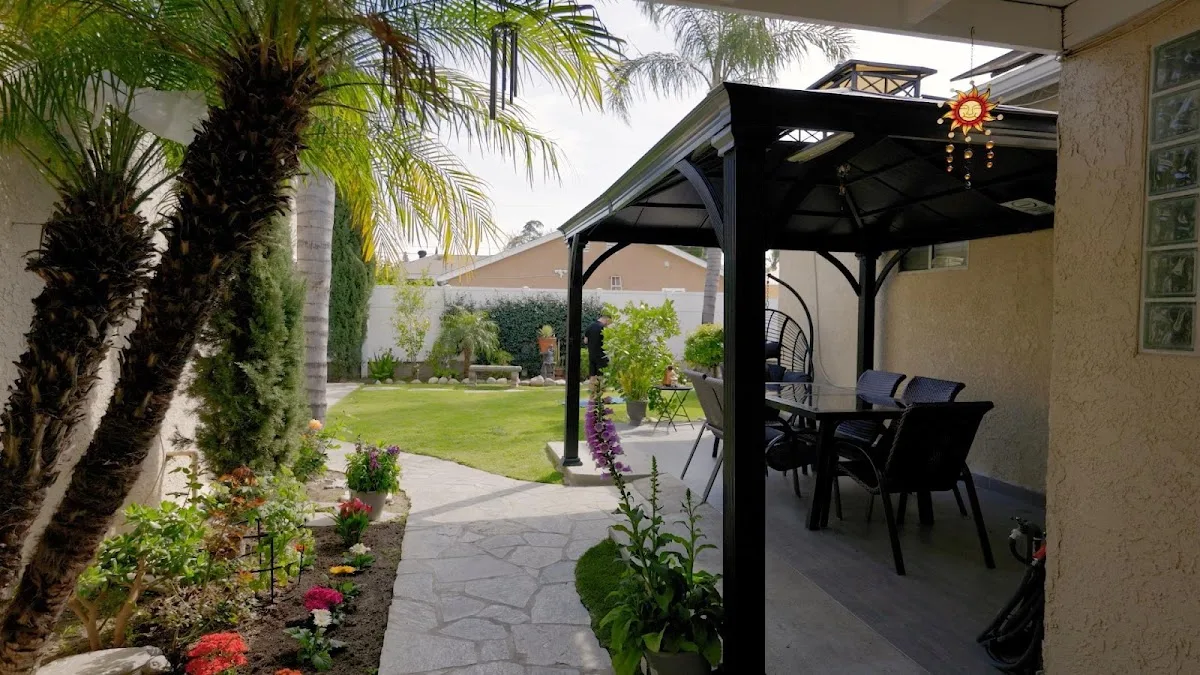
- Amenities: Look for homes that offer amenities that fit your needs, such as private rooms, outdoor space, or proximity to public transportation.
- Staff Qualifications: Ensure that the staff is experienced and trained in addiction recovery and mental health support.
- Reviews and Reputation: Check online reviews and speak with former residents if possible to gauge the facility's effectiveness and atmosphere.
Insurance Options for Sober Living in Los Angeles
Many insurance plans cover some or all of the costs associated with sober living homes, particularly if they are connected to a treatment program. Here’s how to navigate your options:
- Contact Your Insurance Provider: Reach out to your insurance company to learn about your coverage options for sober living services.
- In-Network Facilities: Some sober living homes may be in-network providers for certain insurance plans, which can reduce costs.
- Payment Plans: Many facilities offer flexible payment options or sliding scale fees, so don't hesitate to ask about this during your inquiry.
Conclusion
Embarking on the journey to sobriety is a brave choice, and finding the right sober living home in Los Angeles can significantly enhance your recovery experience. With the right support, structure, and community, you can foster the healing and growth necessary for a fulfilling life in recovery. Remember, you are not alone on this journey, and there are resources available to help you every step of the way.
This article is for informational purposes only and does not constitute medical advice.
More Recovery Resources in Los Angeles
Sober Network is a directory, not an intake form. Explore local facilities and contact providers directly.